Live Casino Game Shows Explained for Australian Players Who Want Clarity Before They Play
If you have spent an arvo watching a live dealer spin a wheel from a studio thousands of kilometres away, you have probably wondered what you are actually signing up for. Live casino game shows explained properly means looking past the glitz and asking who runs the table, how your money moves, and what happens when things go quiet. For an Australian player, the practical questions are usually about transparency, account controls, and whether the platform will still be there when you need to speak to someone. The experience can be genuine fun, but it deserves the same scrutiny you would give any other betting product.
What a live game show actually is

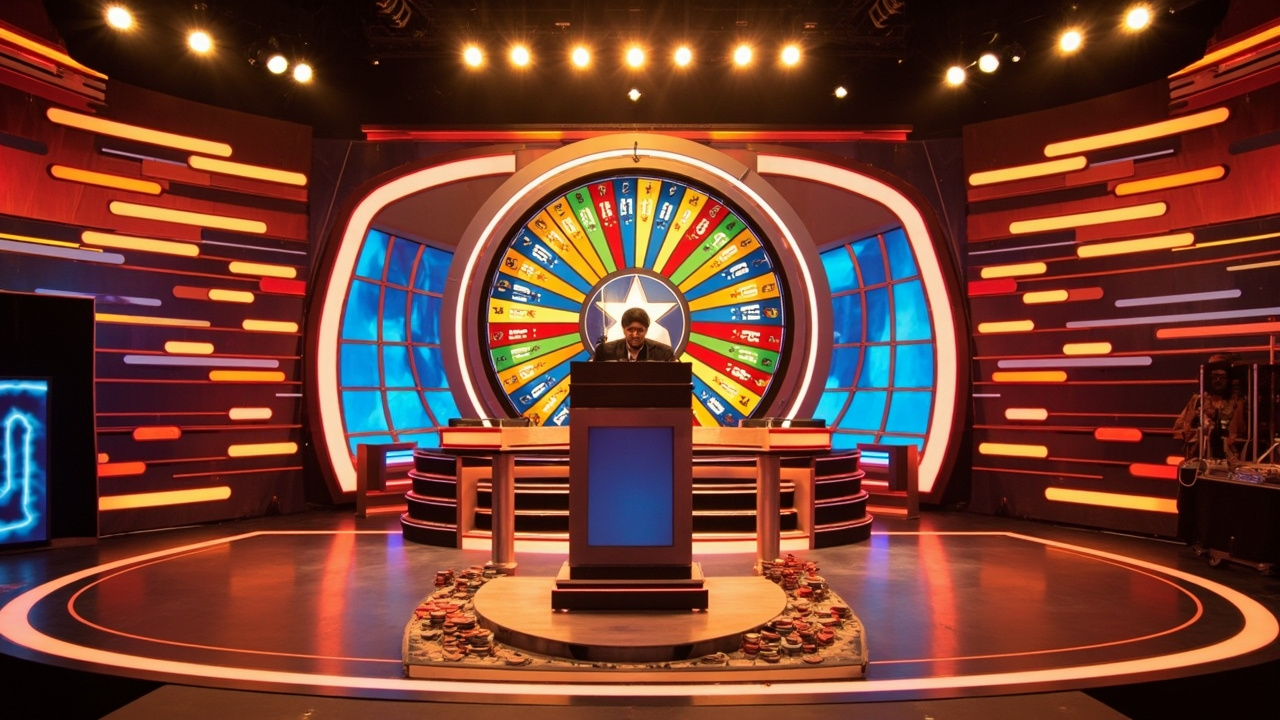
A live casino game show is a hosted table broadcast in real time, usually from a dedicated studio rather than a traditional casino floor. You watch a human host run a wheel, deal cards, or drop a ball while the software handles your bets and payouts automatically. The appeal is simple: you get the pace and personality of a live presenter without needing to sit at a physical table. For most Australian players, the format sits somewhere between a TV game show and a standard live blackjack session, which is why the rules and the betting limits matter more than the production values. A well-run show makes the mechanics obvious before you place a chip, and a poorly run one hides them behind flashing lights.
When you look at how a platform positions these shows, the first thing I check is whether the games are clearly labelled as live dealer products with their own rules pages, not lumped in with random number generator titles. In my reporting on Australian betting platforms, I have seen operators blur that line in ways that make it harder for players to understand what they are actually buying into. A decent setup separates the live lobby from the rest of the lobby, lists the dealer, the language, the table limits, and the round timing in plain terms, and avoids dressing up a simple wheel game as something more complex than it is. If a site wants you to feel like you are walking into a busy casino, that is fine, but the underlying details still need to be readable.
How the mechanics and the money actually work
The betting side is where most of the confusion starts, because live game shows usually run on timed rounds rather than the back-and-forth rhythm of a traditional table. You place a wager during a betting window, the host runs the outcome, and the result is settled automatically once the round closes. That timing matters for Australian players who are used to placing a bet and seeing it resolved quickly. In a live show, the window can feel short if you are still reading the paytable, so a decent platform gives you a clear countdown and a visible summary of what each bet means before the timer starts.
Payments and currency handling are just as important as the rules. A platform worth considering will let you see your balance in the currency you actually use, will not hide conversion steps behind vague wording, and will make it clear what happens when you move chips in and out of a table. If you remove chips from a table, a credit slip documents chips removed from a table, and that record should be easy to find later if you are checking what you took out and when. I have seen setups where that kind of record is buried or labelled in a way that makes it hard to reconcile with your own notes, and that is the sort of thing that becomes annoying fast when you are trying to keep your play sensible.
The host and the production also shape the experience more than people expect. A clear host explains the current round, calls out the betting window, and does not rush you into a wager you have not read properly. The software should mirror that same clarity, with bet buttons that match the spoken rules and a results screen that shows what paid and what did not. If the broadcast looks polished but the interface is vague, that is a warning sign rather than a selling point. For a player in Newcastle logging on after work, the difference between a show that feels organised and one that feels like a slot machine with a camera comes down to exactly that kind of consistency. Vk-look

What to weigh before you commit your first deposit
The decision is really about whether the platform gives you enough control to play without feeling rushed or confused. Start with the account setup and the verification steps, because a site that makes identity checks clear up front is usually the one that handles withdrawals and support more predictably later. You want to know what documents are expected, how long the review usually takes, and whether the process changes if you are trying to move money in a different currency. If those details are vague, the live games are probably not the only part of the experience that will feel improvised.
Support is the next practical test. A platform that treats live game shows as a serious product should have a way to reach someone during the hours you are actually likely to play, not just a form that promises a reply tomorrow. For an Australian reader, that matters on a busy weeknight when you might be playing from a phone in the arvo and need a quick answer about a bet or a pending withdrawal. I would rather see a plainly stated support route with reasonable hours than a polished live lobby that goes silent the moment you have a real question.
Responsible-play tools should be visible before you are deep into a session. Limits on deposits, time-outs, and clear session tracking are not optional extras; they are the practical side of letting people enjoy the show without losing track of what they are doing. If the controls are tucked away or worded in a way that makes them feel like an afterthought, that says more about the operator than the games do. For a player who just wants a bit of entertainment after work, those tools are what separate a manageable session from one that quietly runs longer than intended. ricky casino australia top rated
Who these shows tend to suit
Live casino game shows explained in plain terms are usually a better fit for players who like a hosted, social-feeling table but still want the rules and the timing to be obvious. They suit someone who is comfortable placing timed bets, reading a paytable before the round starts, and accepting that the pace is set by the broadcast rather than by their own rhythm. They are less ideal for players who want total control over every second of the action or who prefer a quiet table where they can take as long as they like between decisions.
If you are the sort of person who likes to keep your play tidy and track what you are doing, look for a platform that makes the rules, the limits, and the records of your activity easy to find. If you are more interested in the atmosphere and the host than in the details, you will still want those details to be there, because the atmosphere only stays enjoyable when the underlying setup is honest. For a Newcastle player winding down after a shift, that usually means choosing a product that feels clear on a phone screen, not just impressive in a trailer.
A practical way to think about it is this: before you deposit, spend a few minutes in the lobby without betting, read one game’s rules from start to finish, and check where the support and limit settings live. If that takes more effort than it should, the rest of the experience is probably going to feel the same way when you are actually playing. If it feels straightforward, you are in a better position to decide whether the show is worth your time and your budget.
Live casino game shows can be a genuinely entertaining way to spend an evening, but only if the platform behind them is clear about the rules, the money, and the support you can expect. The best ones do not rely on the production to do the talking; they make the mechanics easy to understand and the controls easy to use. If you approach them like any other betting product and check the practical details first, you are more likely to enjoy the show without any surprises later.